Emergency Water Damage Restoration in Wilmington, DE
Immediate on-site mitigation, high-capacity water containment, and rapid stabilization for active water emergencies across New Castle County.
Halting Water Migration Before Structural Decay Sets In
When indoor plumbing ruptures or torrential storm systems overwhelm Delaware drainage, every passing hour compounds structural destruction.
Water travels along electrical conduit pathways, slips under baseplates, and wicks deep into finished subfloors. Emergency mitigation focuses on immediate source isolation, rapid liquid extraction using commercial vacuum units, and setting up industrial drying chambers with high-velocity air movers and LGR dehumidifiers to prevent permanent warping.
Immediate Source Containment
Preventing continued fluid spread through strategic water diversion, emergency valving, and subfloor barrier placement.
High-Volume Liquid Pumping
Deploying submersible pumps and truck-mount extractors capable of removing thousands of gallons per hour.
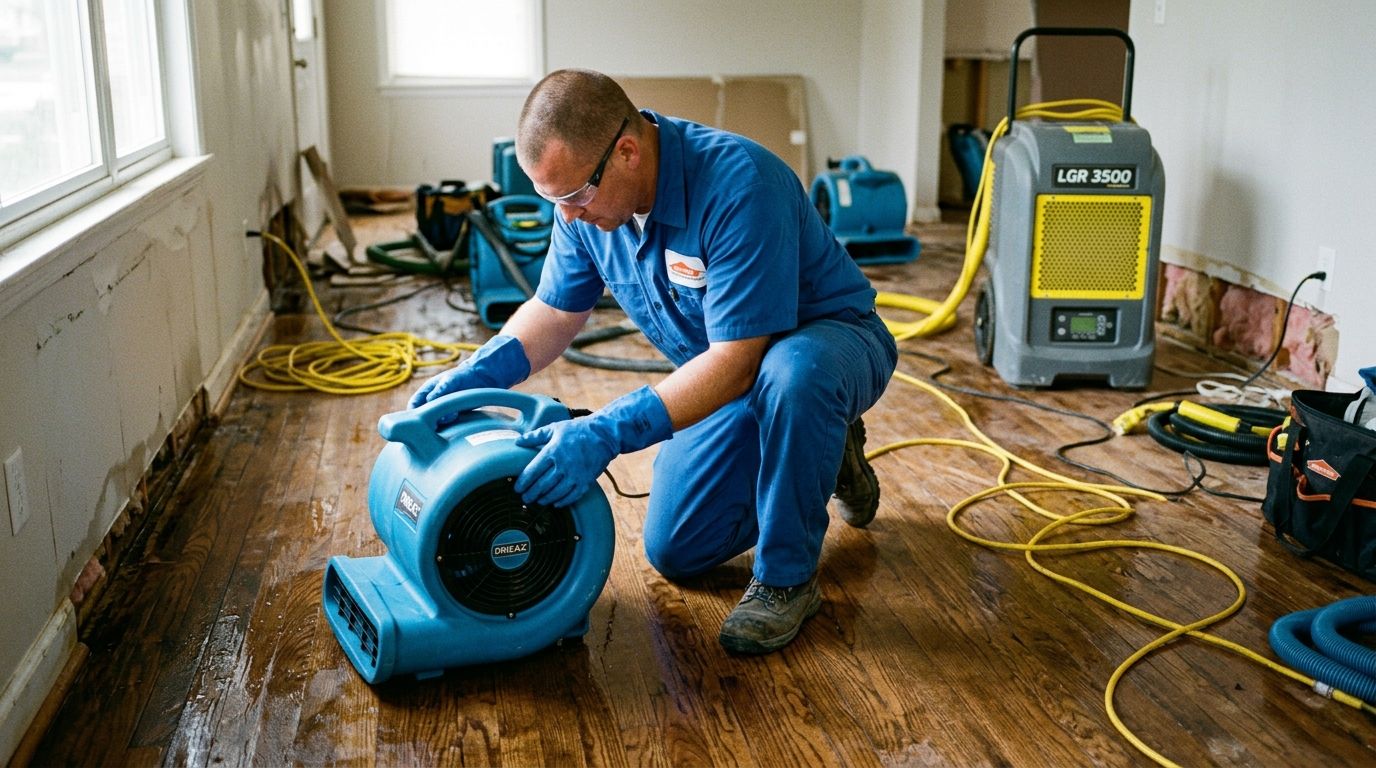
Industrial Dehumidification & Airflow Deployment
Emergency Stabilization: From Loss to Full Recovery
Visualizing the transition from active standing water pooling to pre-loss restored conditions.
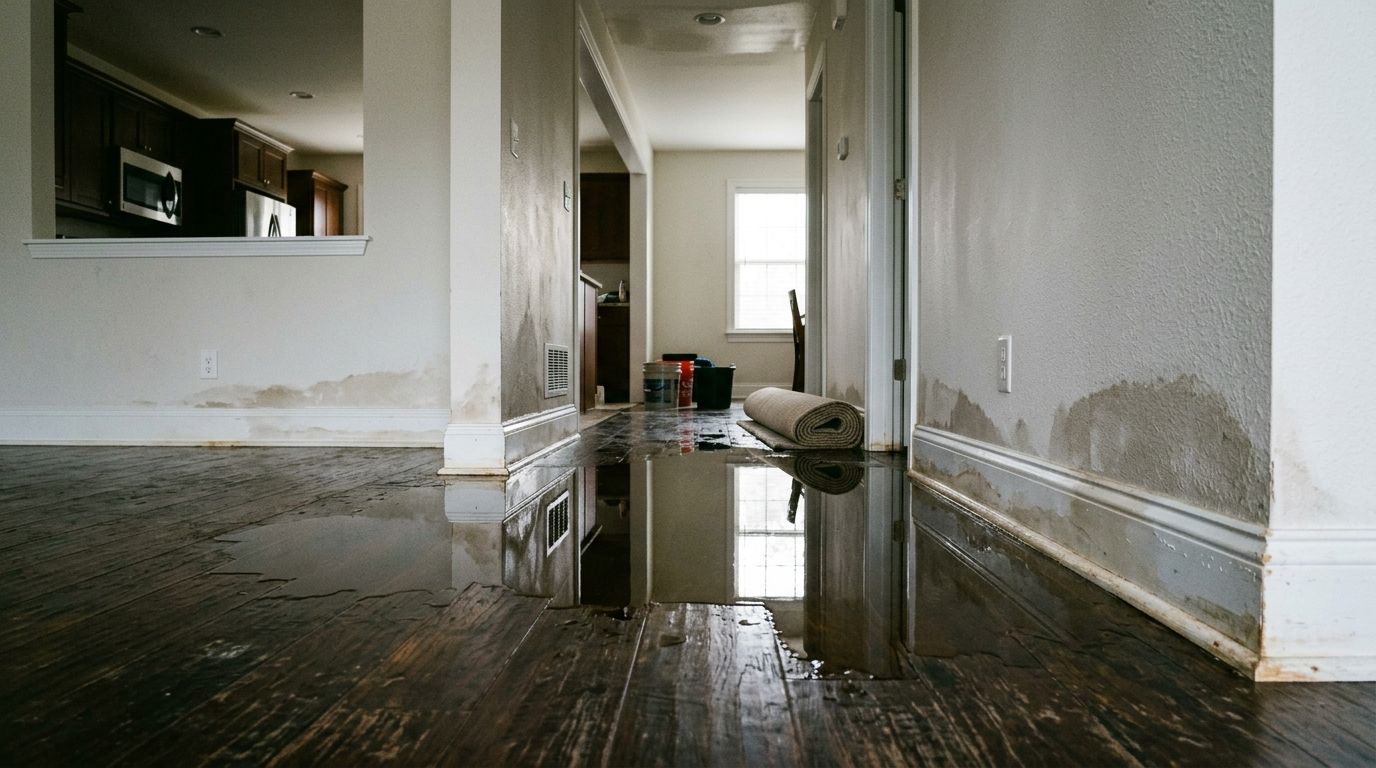
Unmitigated Water Damage
Standing water pooled across flooring, subfloor moisture wicking up baseboard drywall, risking progressive structural swelling and bacterial proliferation.
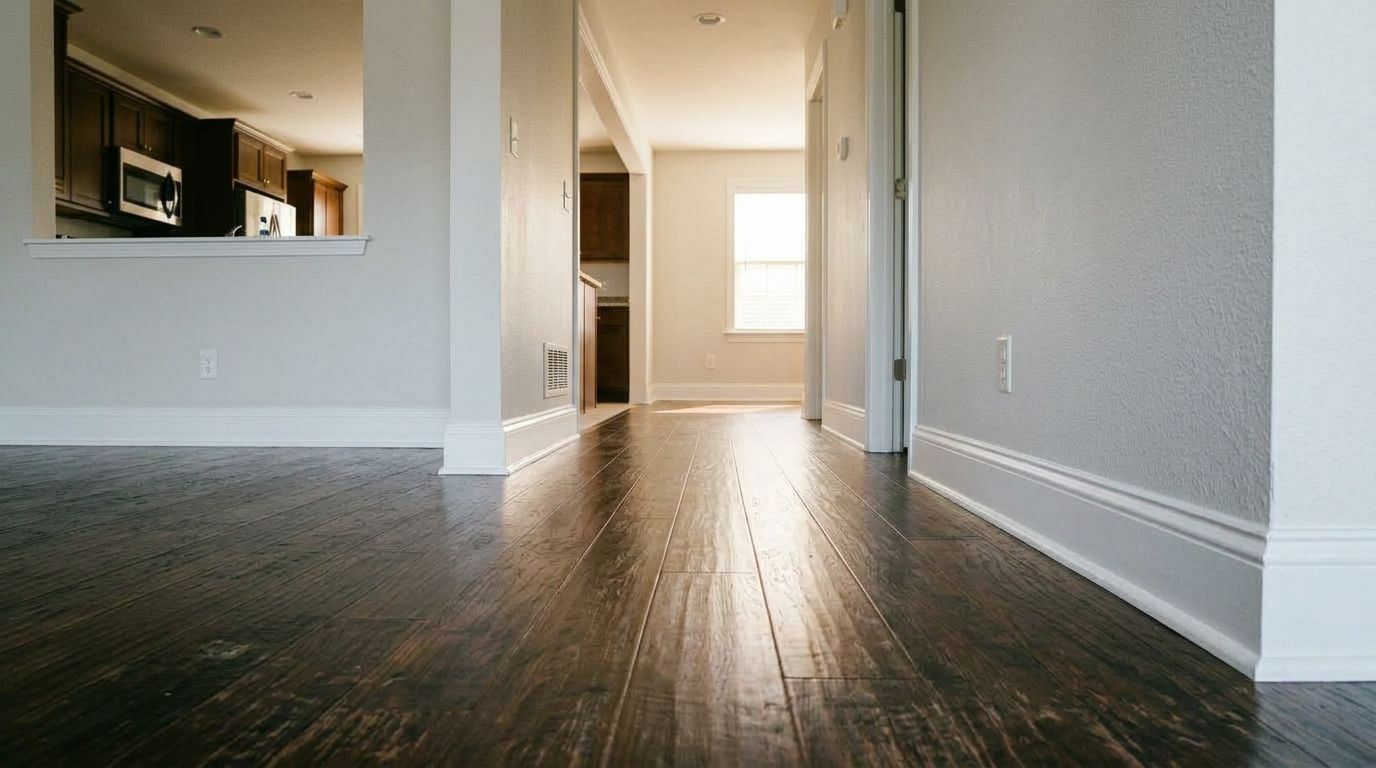
Restored Clean & Dry Condition
High-volume extraction removed liquid volume, followed by precision LGR dehumidification and antimicrobial sanitization to restore verified safe moisture levels.
Critical Emergency Stabilization Phases
Systematic procedural steps taken immediately upon arrival to secure the environment:
Safety & Hazard Isolation
Verifying electrical isolation, checking structural ceiling stability, and inspecting for sewage or biohazard contamination before team entry.
Bulk Water Pumping
Operating heavy-duty suction extractors and deep-well submersible pumps to evacuate all standing pools from living levels and basements.
Targeted Psychrometric Drying
Positioning balanced vortex air movers and commercial LGR units to extract trapped moisture from subfloor cavities and stud framing.
Related Water Restoration Solutions
Water Damage Cleanup
Antimicrobial sanitization, debris removal, and controlled drying
View service details →Water Removal
Immediate pumping of standing water pools and bulk liquid intrusion
View service details →Water Extraction
Deep moisture extraction from saturated carpeting, padding, and subfloors
View service details →Frequently Asked Questions
Experiencing Active Water Damage in Wilmington?
Call our local emergency response line now for prompt assistance, rapid containment, and industrial drying deployment.
Rapid local response throughout Wilmington, Newark, Bear, and New Castle County.