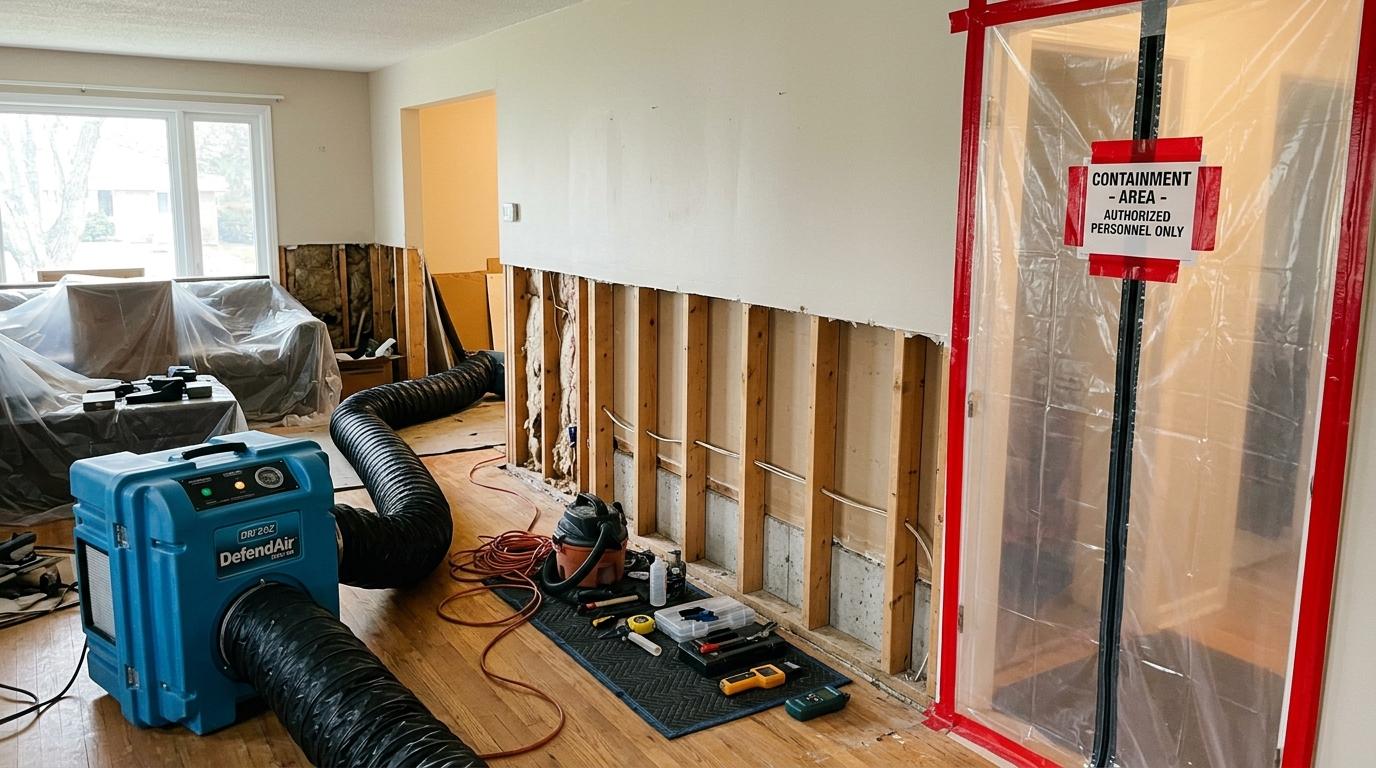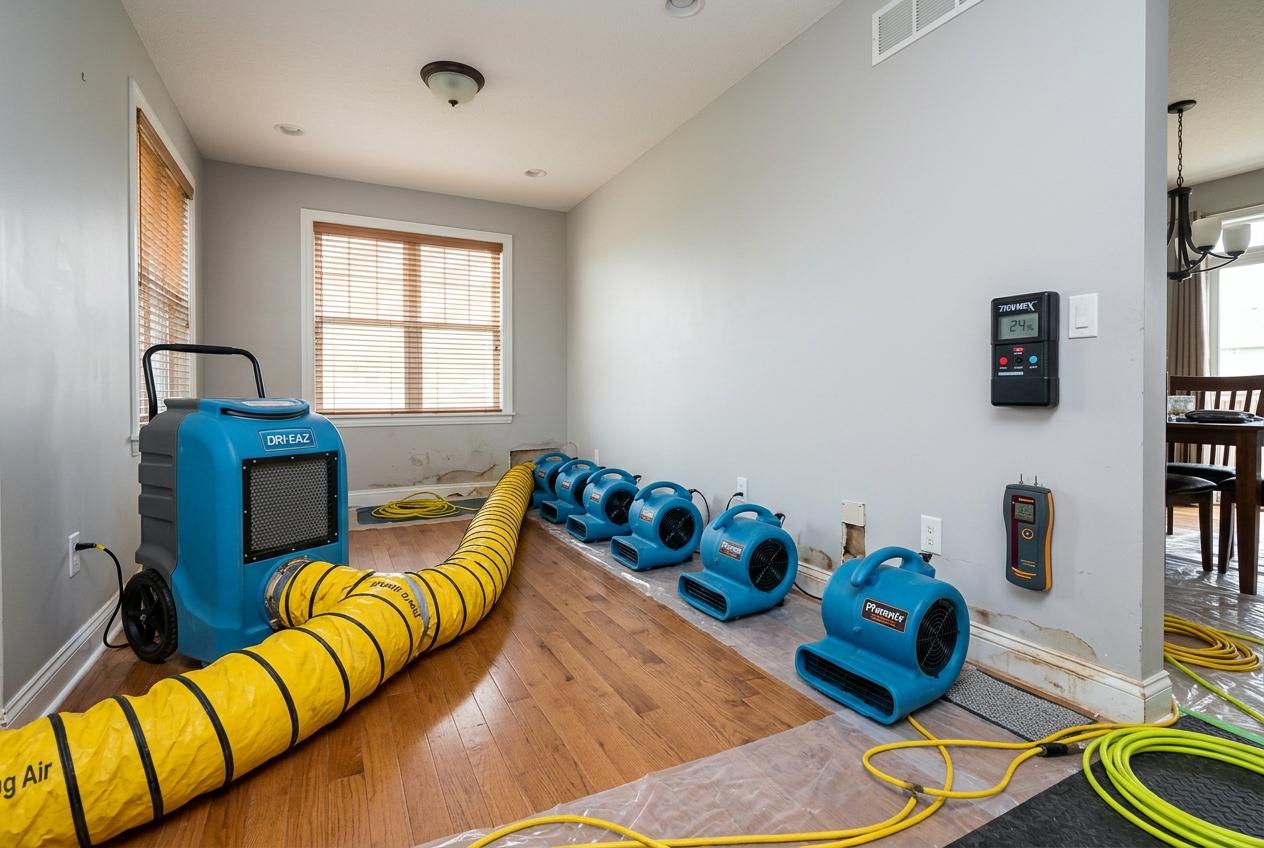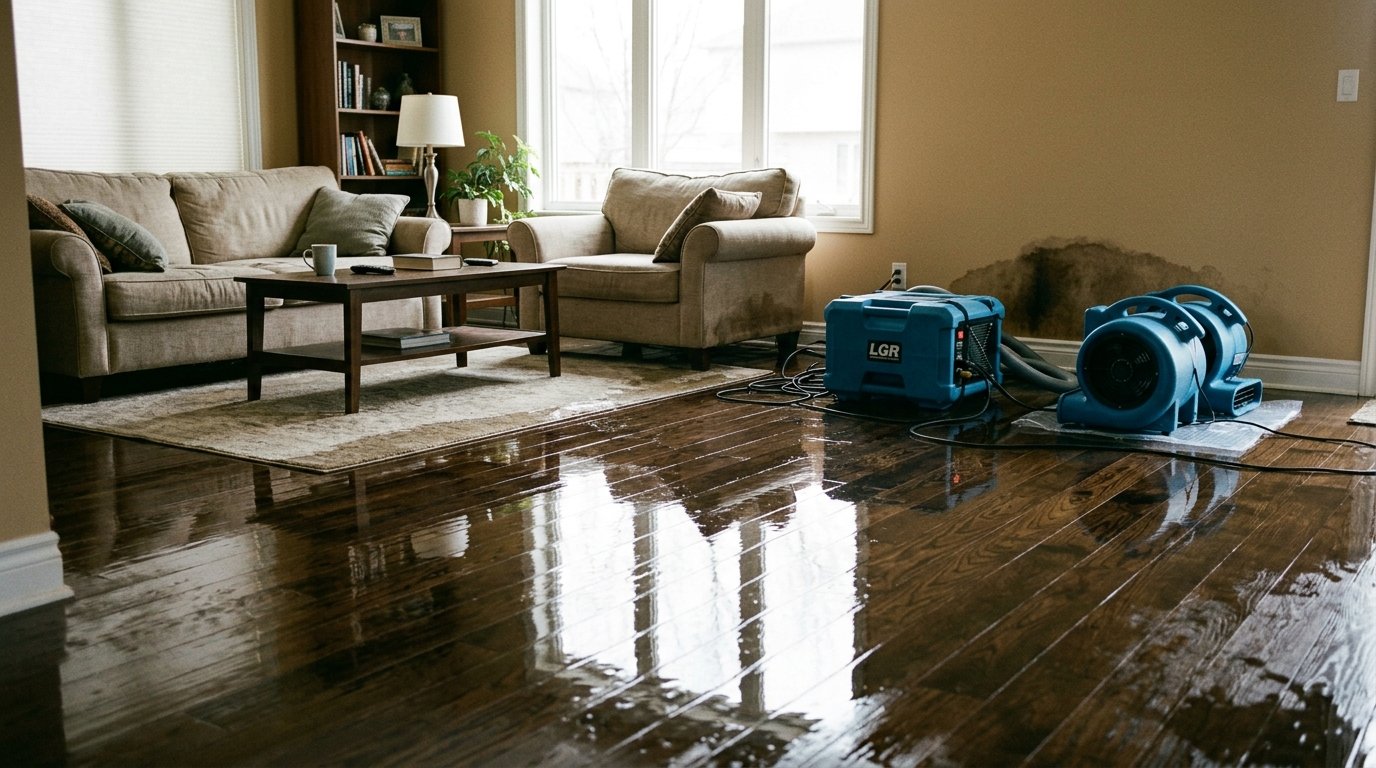
Water damage restoration in progress — professional industrial LGR dehumidifier and high-velocity air movers drying residential hardwood flooring after indoor water intrusion
Wilmington, Delaware · New Castle County Dispatch

Water Damage Restoration in Wilmington, DE

Rapid water extraction, industrial structural drying, and complete damage repair for residential and commercial properties facing burst pipes, appliance leaks, or severe flooding.

RapidEmergency Intake
LocalWilmington & County
ClaimsMoisture Logs
AdvancedThermal Mapping
Specialized Restoration Capabilities

Comprehensive Water Damage Restoration Services

Water incidents require immediate, scientifically measured intervention. We address every stage of the recovery lifecycle — from emergency containment and high-volume extraction to controlled structural drying and pre-loss recovery.

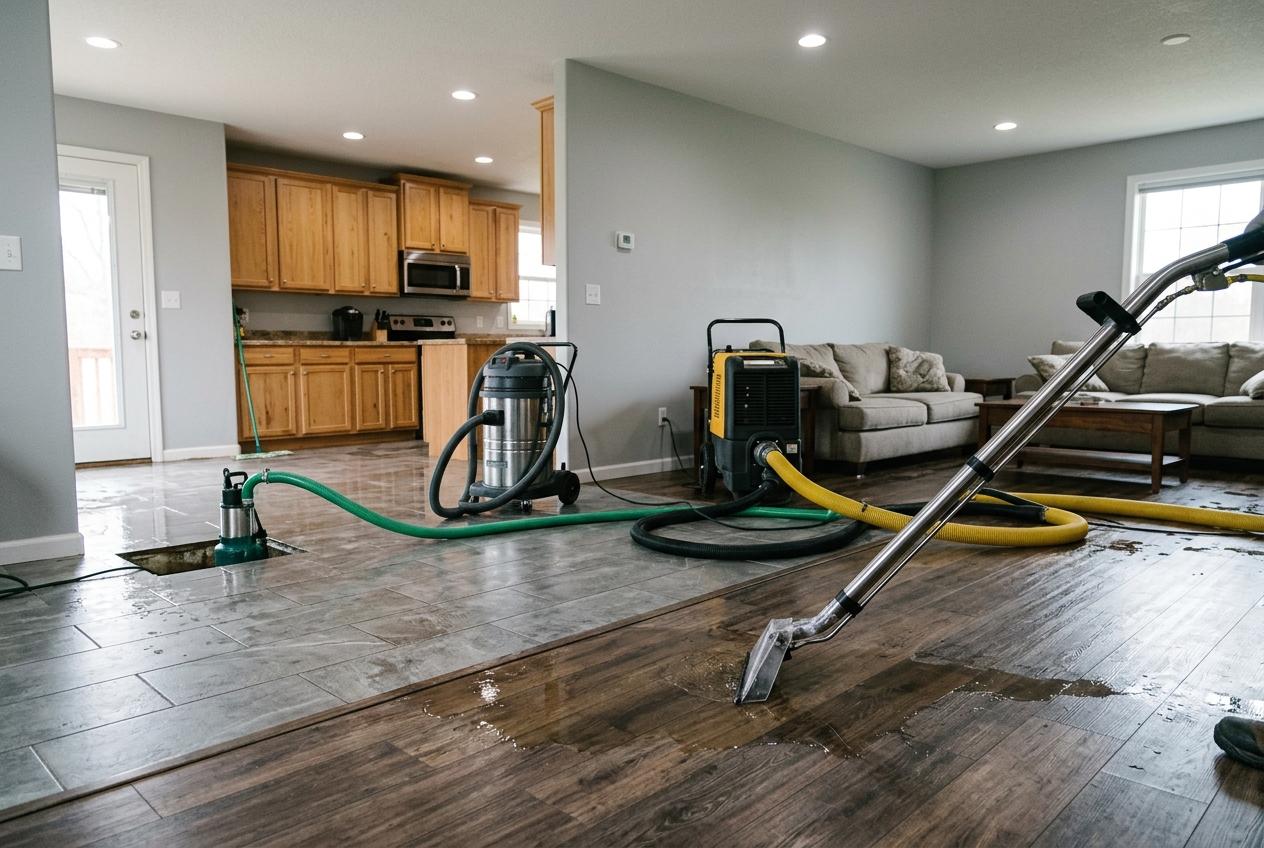
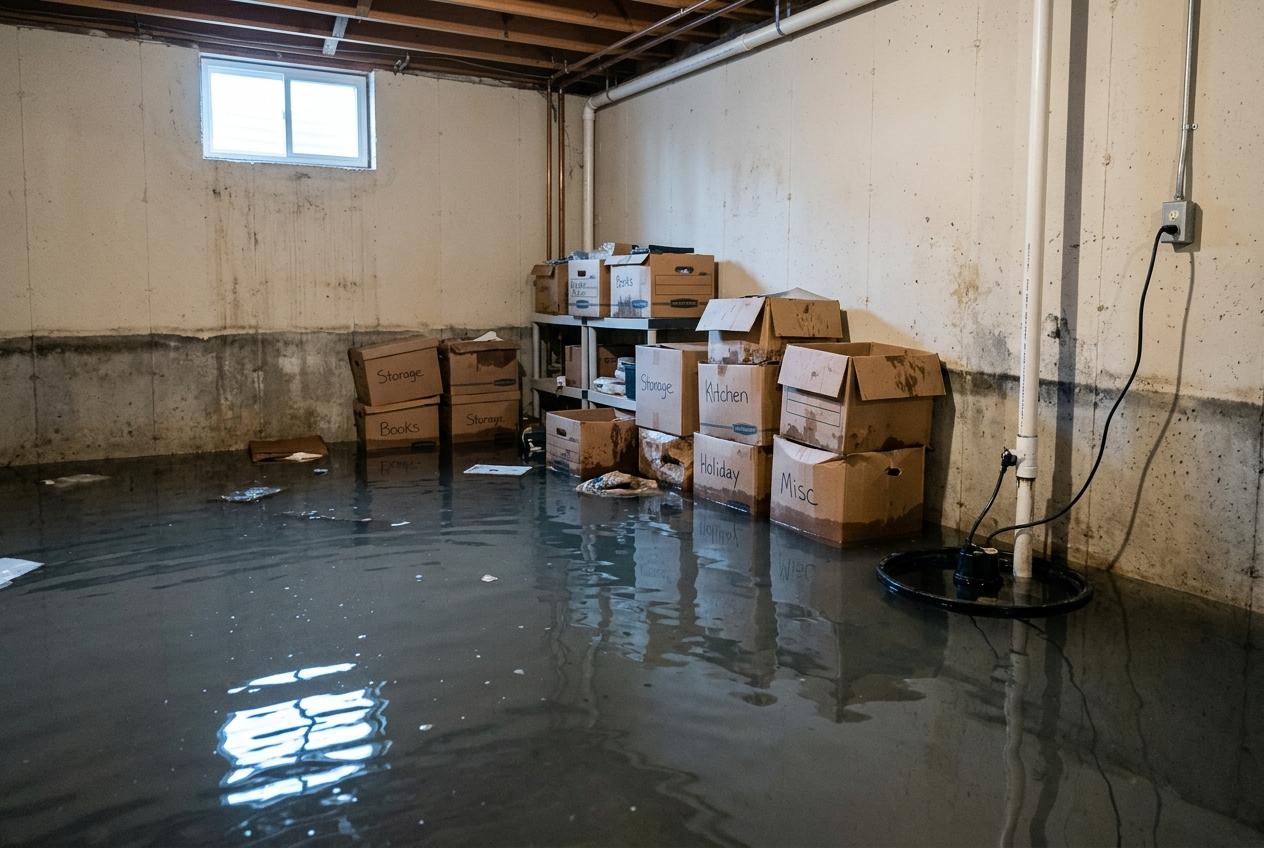
Water Removal — professional water restoration service
Standing Water Mitigation

Water Removal

High-capacity submersible pumps and truck-mounted vacuum units to rapidly pump out standing water pools from residential and commercial levels.

Standing WaterBulk PumpingSump Overflows
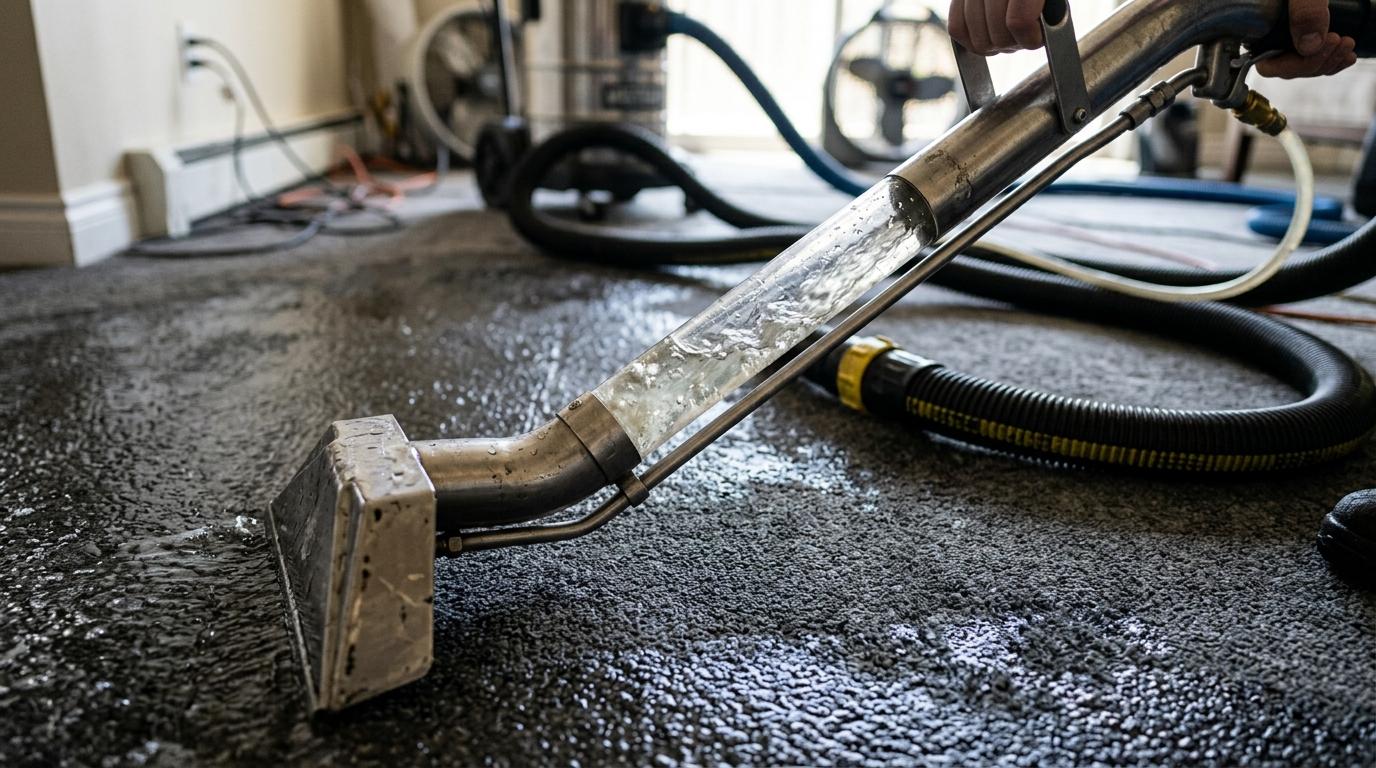
Water Extraction — professional water restoration service
Deep Sub-Surface Moisture

Water Extraction

Weighted industrial extraction wands and subfloor suction systems designed to pull embedded moisture from carpets, pad cushions, and hardwood subfloors.

Subfloor SuctionWeighted Drag MatsCarpet Extraction
Illustrative Restoration Example

Water Damage Happens Quickly. Restoration Should Be Clear.

Visualizing the transformation from sudden indoor water intrusion to fully dried, sanitized, and pre-loss condition.

View Mode:
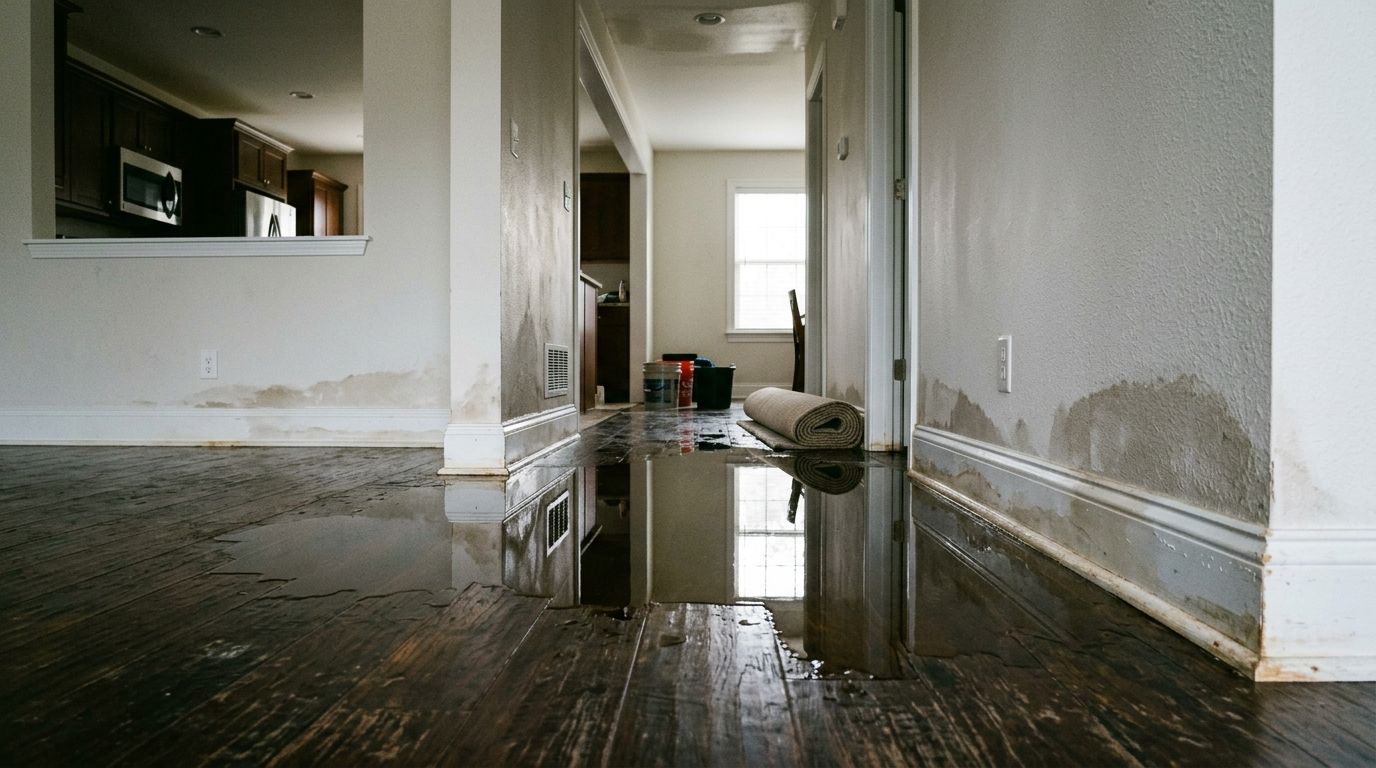
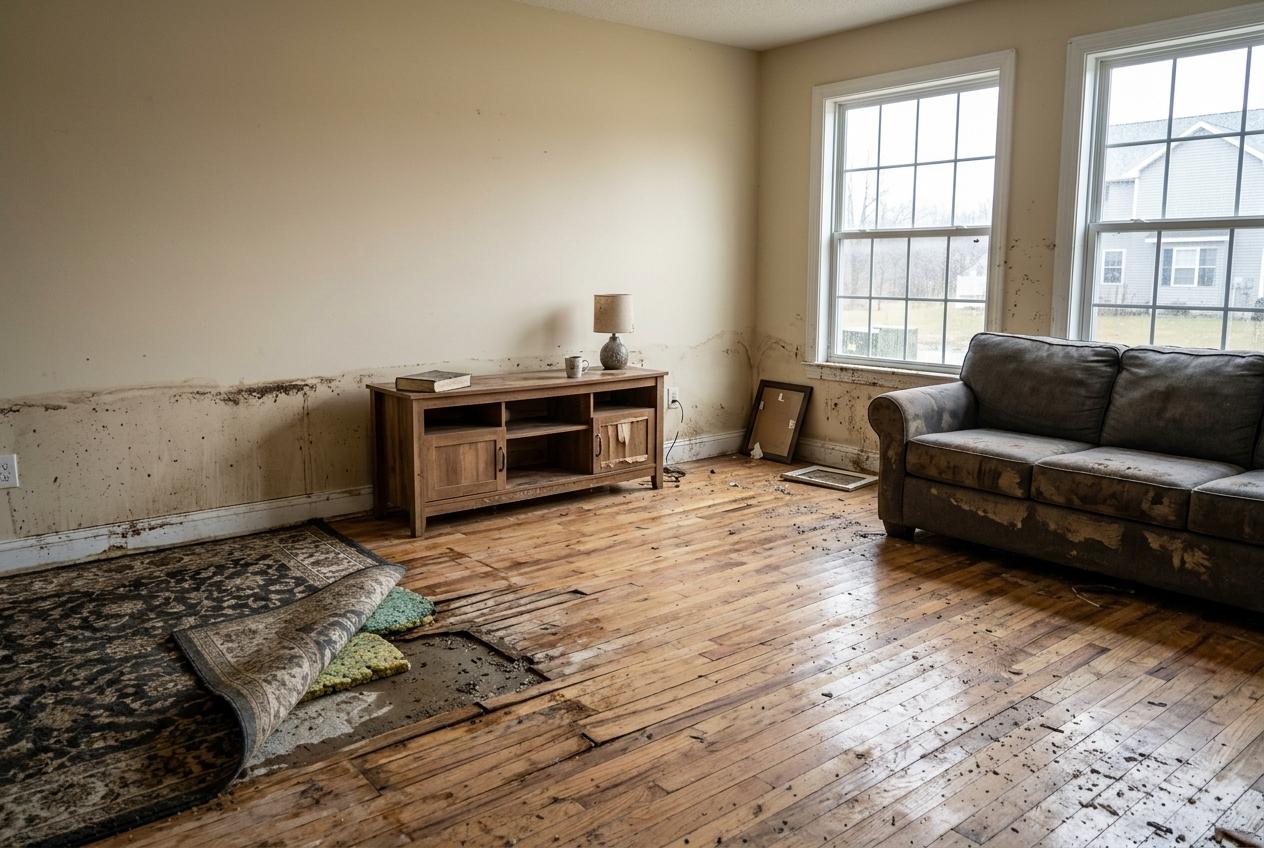
Illustrative example showing residential living room and hallway with water pooling on hardwood and saturated baseboards
Before: Active Water Intrusion

Unmitigated Water Damage

Standing water pooled across flooring, subfloor moisture wicking up baseboard drywall, risking progressive structural swelling and bacterial proliferation.

Immediate extraction & stabilization required
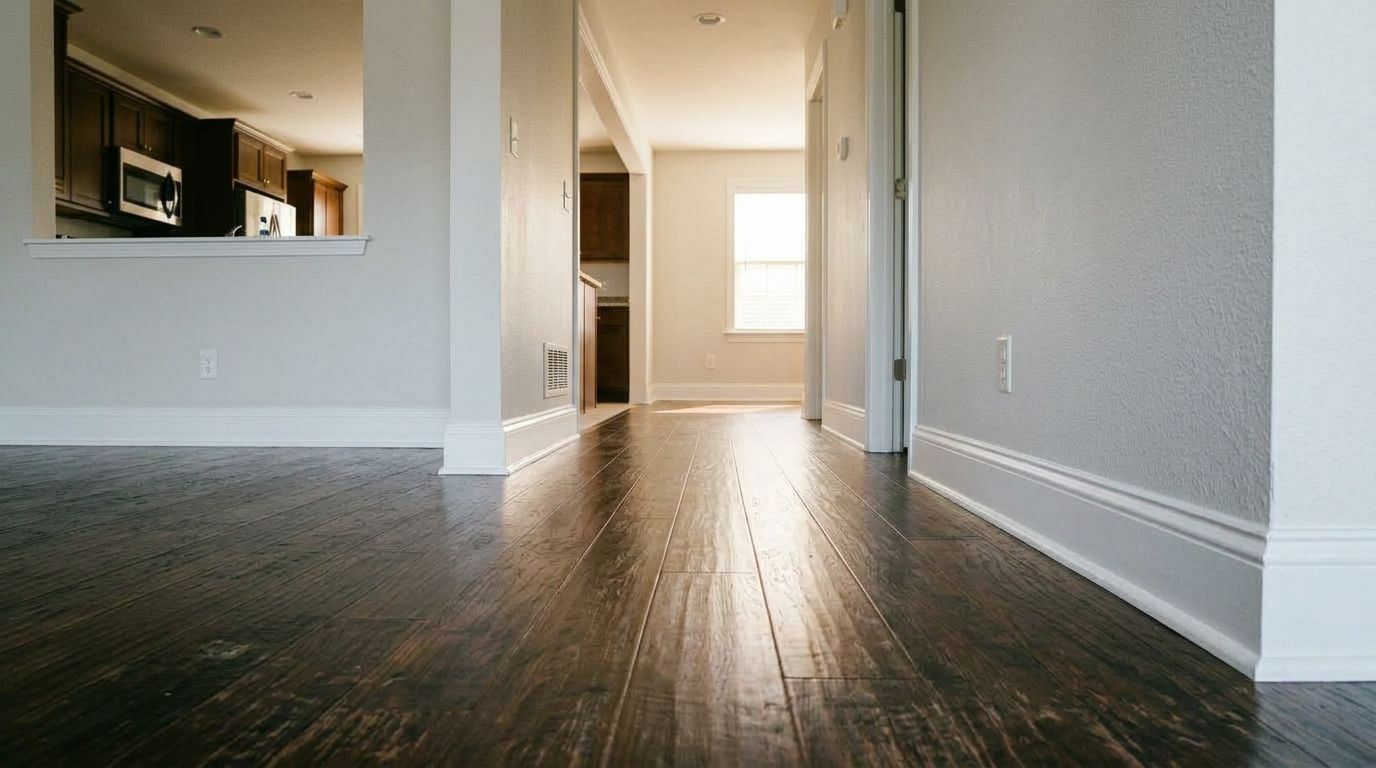
Illustrative example showing the same residential living room and hallway completely dried, cleaned, and restored
After: Controlled Drying & Recovery

Restored Clean & Dry Condition

High-volume extraction removed liquid volume, followed by precision LGR dehumidification and antimicrobial sanitization to restore verified safe moisture levels.

Verified dry standards meeting IICRC S500 guidelines
Note: Illustrative Scenario: Indoor pipe rupture causing clean water pooling across hardwood and moisture wicking up drywall. Following prompt extraction and industrial LGR structural drying, the space is verified dry and pre-loss conditions are fully restored.*Visuals presented above are illustrative examples demonstrating standard industry restoration outcomes and are not represented as specific customer project records.
Restoration Methodology

Scientific Water Damage Recovery Process

Drying a water-damaged property is not guesswork. It requires precise psychrometric monitoring to balance humidity, airflow, and temperature so moisture is safely drawn out of building materials.

Professional structural drying equipment — industrial LGR dehumidifier and high-velocity air movers operating in a residential room

Active Moisture Mitigation

Continuous psychrometric monitoring prevents secondary mold germination and drywall decay.

01
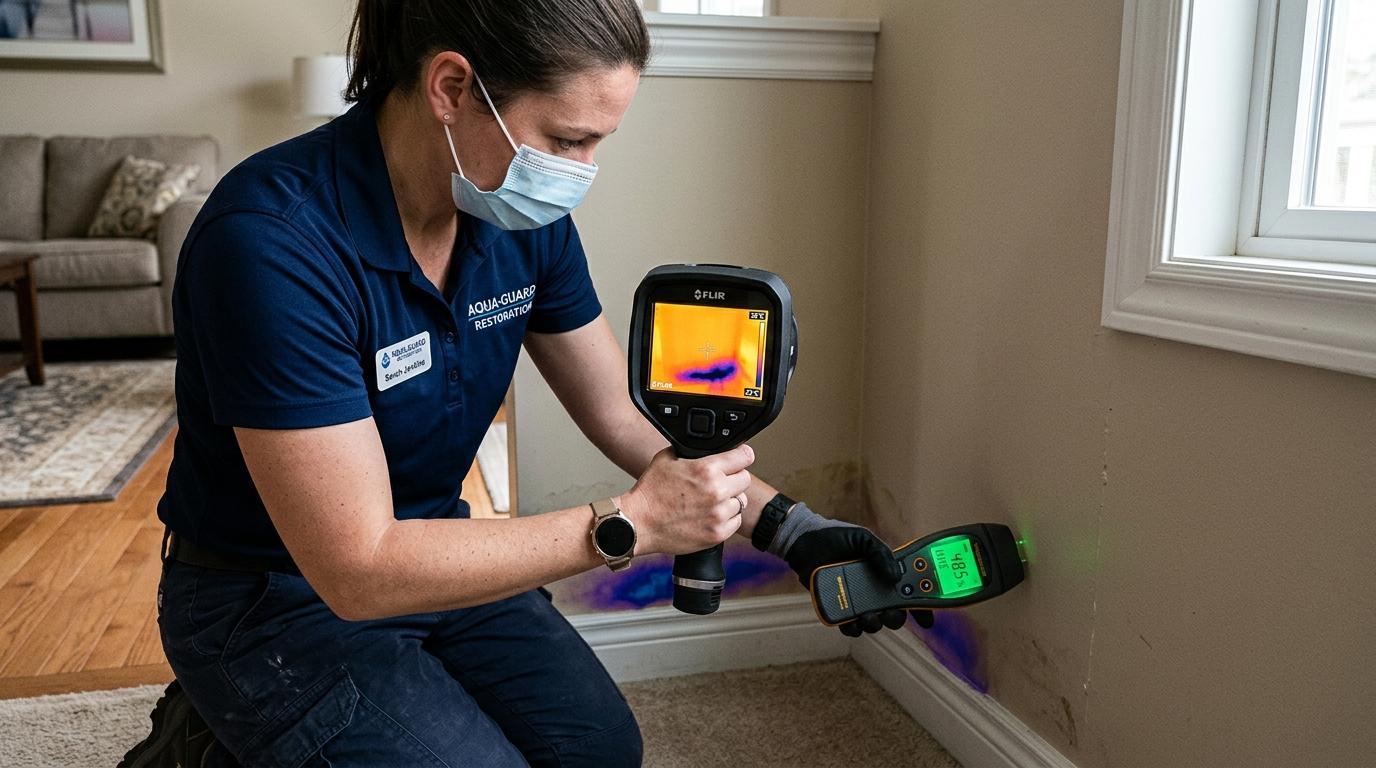
Phase 1: Assessment

Thermal Mapping & Moisture Inspection

Using non-invasive infrared thermal cameras and digital pin/pinless moisture meters, technicians identify the precise perimeter of hidden moisture trapped behind baseboards, beneath tiles, and within wall cavities.

Key Technology: FLIR Thermal Imaging · Calibrated Tramex Meters
02
Phase 2: Mitigation

High-Volume Extraction & Water Removal

Truck-mounted extraction systems and heavy-duty submersible pumps remove standing water from carpeting, subfloors, and basement concrete, halting progressive structural saturation.

Key Technology: Weighted Drag Mats · Industrial Submersible Pumps
03
Phase 3: Stabilization

Psychrometric Structural Drying & Dehumidification

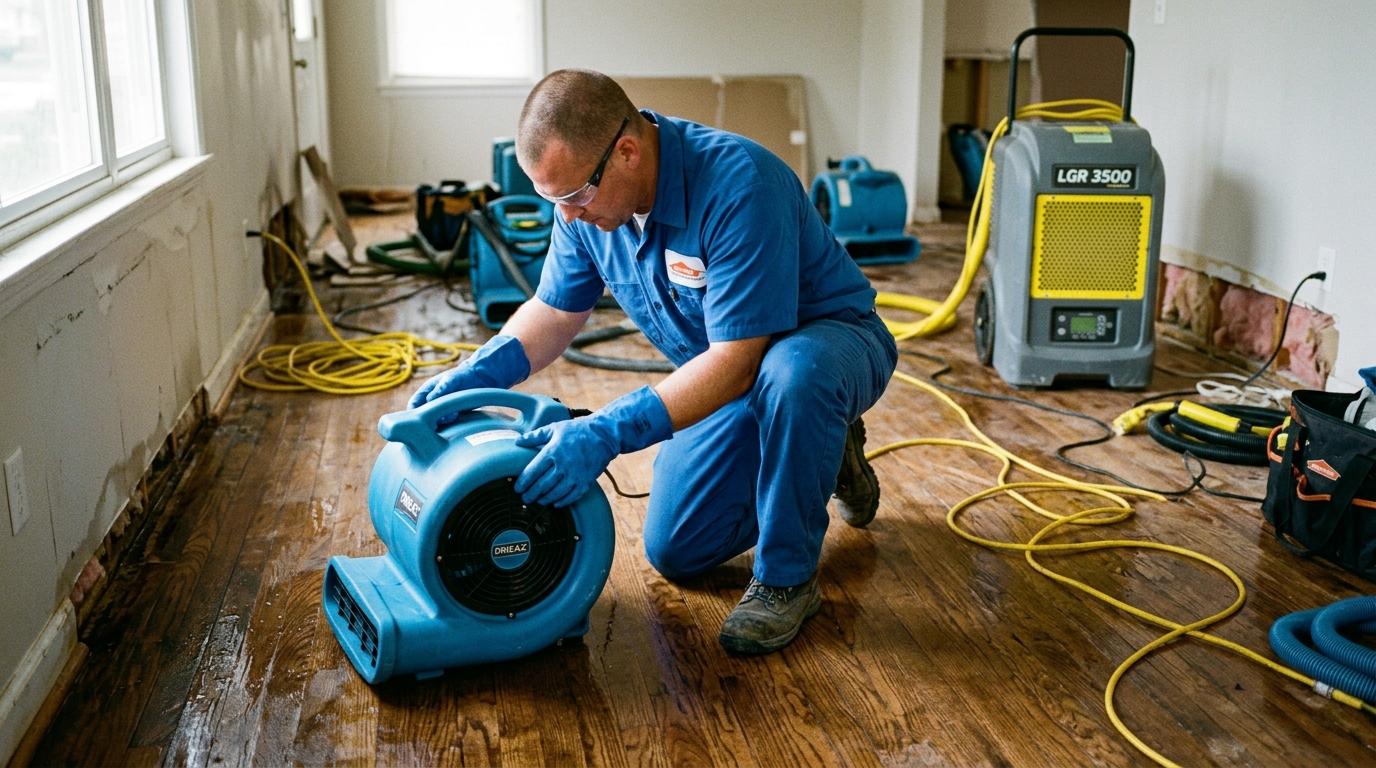
Industrial Low-Grain Refrigerant (LGR) dehumidifiers and high-velocity centrifugal air movers circulate dry air continuously, evaporating deep moisture from wall studs and structural framing.

Key Technology: LGR Commercial Dehumidifiers · Axial Air Movers
04
Phase 4: Restoration

Sanitization, Rebuild & Final Verification

Affected zones receive EPA-registered botanical antimicrobials. Damaged drywall, insulation, and trim are replaced, followed by documented moisture readings verifying safe, dry conditions.

Key Technology: EPA Antimicrobial Treatment · Final Moisture Sign-off
IICRC Water Classification

Understanding Water Contamination Categories

Water damage classification dictates the exact containment protocols, antimicrobial agents, and salvageability standards required under professional industry guidelines.

Category 1IICRC S500 Standard

Clean Water

Typical Sources:Supply pipes, leaking sink faucets, clean appliance supply tubes, rainwater.
Health & Structural Risk:Low biological risk initially. Degrades into Category 2 within 24-48 hours if left unmitigated.
Category 2IICRC S500 Standard

Grey Water

Typical Sources:Washing machine overflows, dishwasher discharge, sump pump failure, aquarium spills.
Health & Structural Risk:Contains chemical residues and biological nutrients. Can trigger discomfort or illness upon exposure.
Category 3IICRC S500 Standard

Black Water

Typical Sources:Sewage line backups, river or creek overflow, storm seawater surge, standing water with bacterial growth.
Health & Structural Risk:Grossly contaminated with pathogenic agents, heavy metals, or toxic bio-hazards. Requires strict PPE and evacuation.
Critical Emergency Protocols

Immediate Safety Steps While Help Is Dispatched

What you do in the first 60 minutes after a water intrusion can dramatically reduce total property loss and protect occupant health.

✓

Immediate Actions TO Take

  • •Turn off the main water shut-off valve immediately if safe to access.
  • •Switch off electrical circuit breakers to affected rooms if panel is in a dry zone.
  • •Photograph standing water levels and initial structural damage for insurance claims.
  • •Elevate light wood furniture or place aluminum foil under sofa legs to prevent staining.
  • •Call a certified restoration professional for immediate thermal moisture evaluation.
✕

Critical Things NOT To Do

  • •Do NOT enter rooms with standing water while electricity or appliances remain energized.
  • •Do NOT use a standard home vacuum cleaner — electrical shock and motor burnout will occur.
  • •Do NOT turn on ceiling fixtures if water is leaking through the ceiling drywall.
  • •Do NOT disturb visible mold colonies or attempt to scrape microbial growth without containment.
  • •Do NOT consume tap water or leave pets near standing Category 2 or 3 water.
Water damage inspection and documentation for insurance claim adjustment

Insurance Documentation

Daily moisture readings & photo evidence prepared directly for claims adjusters.

Claims & Coverage Clarity

Understanding Water Damage & Insurance Claims

Navigating insurance policies during an emergency can be overwhelming. Coverage is determined primarily by the origin of the water intrusion:

Standard Homeowners Policy (HO-3 / HO-5)

Sudden & Accidental

Covers rapid, unexpected internal plumbing discharges within the building envelope:

✓ Frozen / burst copper or PEX pipes
✓ Water heater rupture & overflow
✓ Washing machine supply hose failure
✓ Dishwasher or refrigerator line leak

Separate Flood Policy (NFIP or Private Flood)

Overland Inundation

Required when water originates outside the structure and enters from ground level:

✓ River & creek overflow (Christina / Brandywine)
✓ Heavy storm runoff & street drainage pooling
✓ Coastal storm surges & high tidal backup
✓ Surface water penetration through foundation

Sump Pump & Sewer Backup Endorsement

Policy Rider Required

Sump pump failure and municipal sewer backups frequently require an optional endorsement rider. We encourage property owners to check with their local insurance representative.

Regional Delaware Footprint

Serving Wilmington & Northern Delaware Communities

Wilmington occupies a unique geographic position at the confluence of the Christina River and Brandywine Creek, draining into the Delaware River basin. Coupled with Delaware’s distinction as the lowest-elevation state in the nation, properties face persistent hydrostatic pressures, seasonal coastal storms, and flash flooding.

From historic stone basements in The Highlands and Trolley Square to newer subdivisions across Bear and student rental properties in Newark, local restoration requires intimate familiarity with regional foundation designs, sub-slab drainage systems, and Mid-Atlantic humidity patterns.

Communities Served Across New Castle County:

Wilmington, DE
Newark, DE
Bear, DE
Hockessin, DE
Claymont, DE
Elsmere, DE
New Castle, DE
Pike Creek, DE
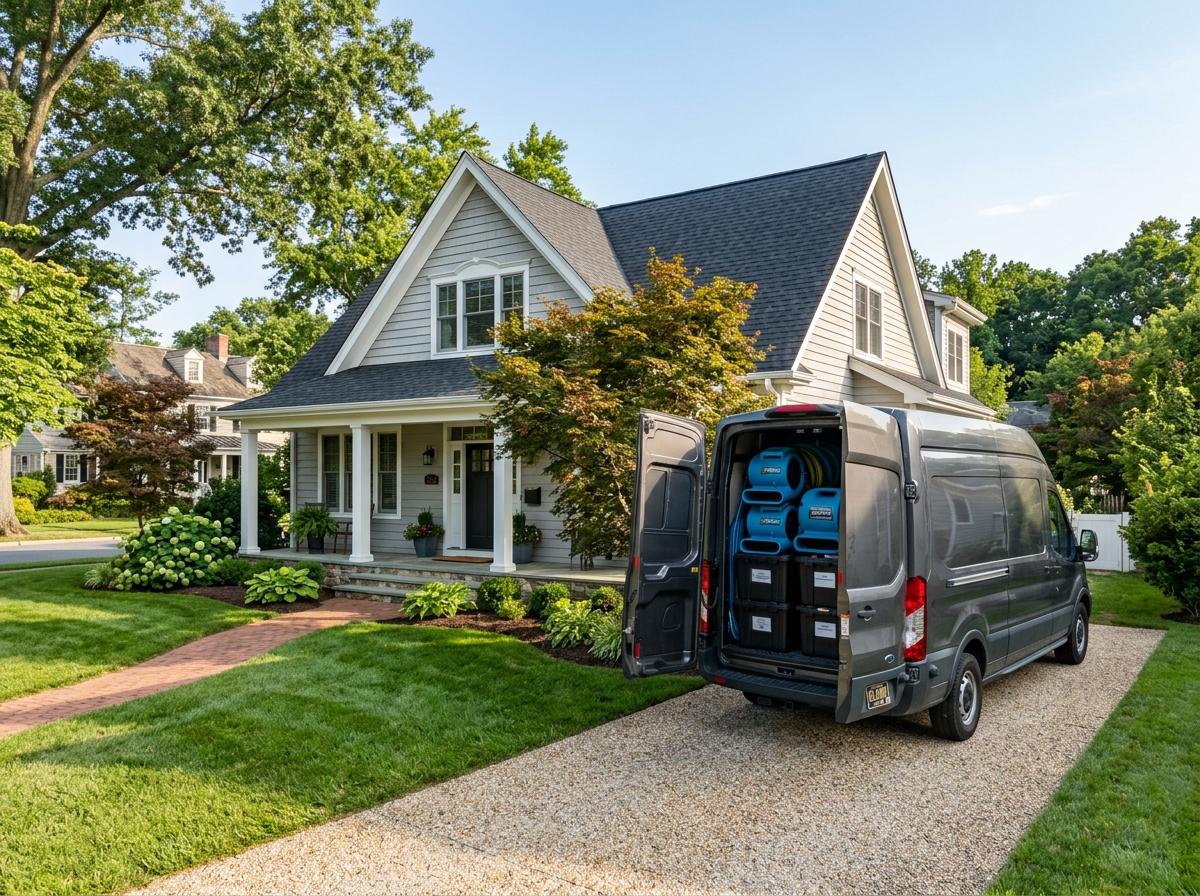
Commercial restoration emergency response vehicle staged at a Delaware residential property
Rapid County-Wide DeploymentMobile service vehicles equipped with industrial air movers, LGR units, and extraction wands ready for dispatch.
Restoration Insights

Frequently Asked Questions

Essential questions about water damage recovery, timelines, insurance claims, and emergency response in Wilmington, Delaware.

Priority Emergency Intake

Facing Water Damage in Wilmington or New Castle County?

Immediate action limits progressive drywall damage, structural warping, and mold growth. Speak with our local restoration specialists today.

Rapid local response throughout Wilmington, Newark, Bear, and New Castle County.