Basement Water Damage in Wilmington, DE
Rapid water extraction, foundation decontamination, and industrial sub-floor drying for flooded residential basements across Wilmington and New Castle County.
Wilmington Basement Moisture & Flooding Realities
Because basements sit below the surrounding grade, water naturally migrates toward lower atmospheric pressure and voids in foundation masonry.
Wilmington’s combination of older stone foundations, clay soil density, and proximity to the Christina River basin creates intense hydrostatic pressure during storm events. Trapped water in finished basements rapidly destroys carpeting, baseboards, insulation, and drywall studs, turning lower levels into prime territory for fungal spores.
Specialized Sub-Surface Drying Standards
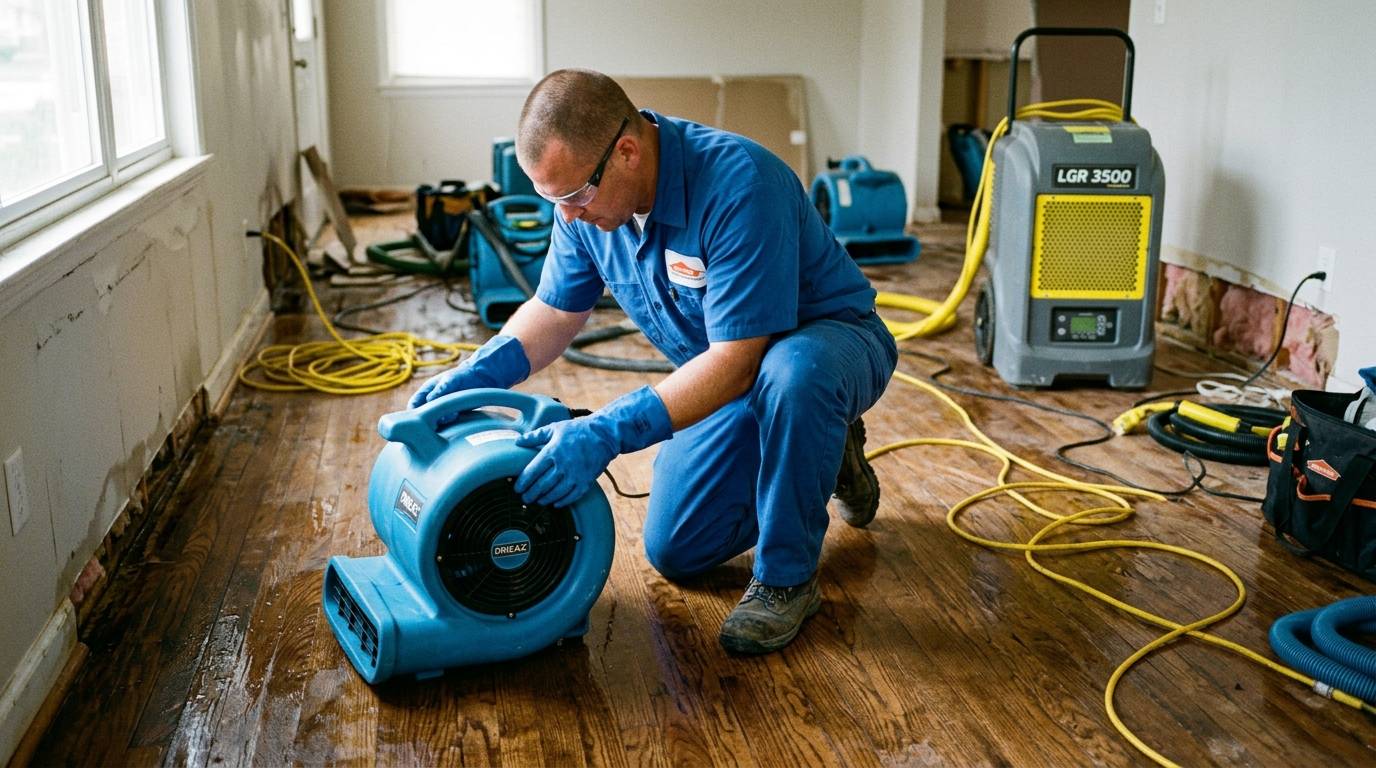
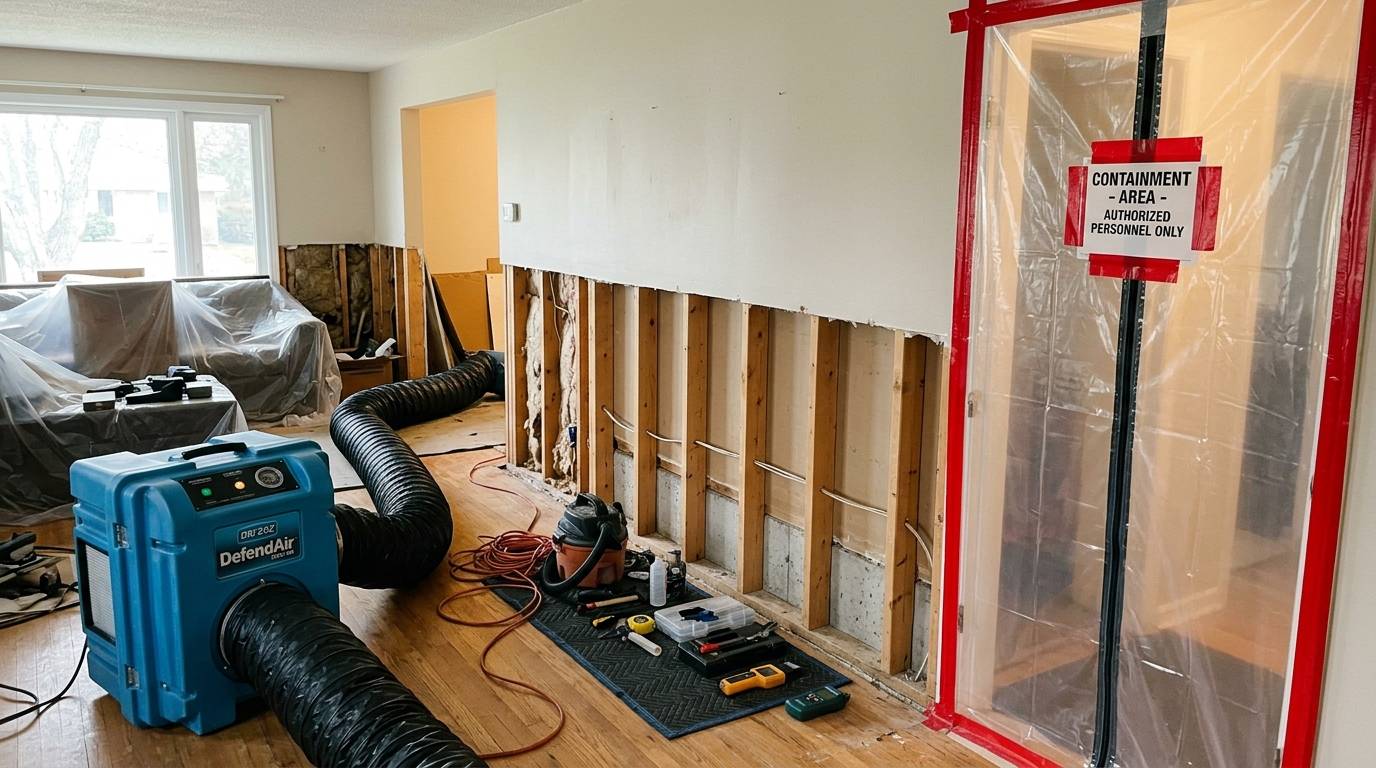
We don’t just pump the water out — we use high-capacity LGR dehumidifiers and directed cavity wall dryers to extract bound moisture from behind finished basement walls and underneath floating subflooring, verifying complete dryness with calibrated digital meters.
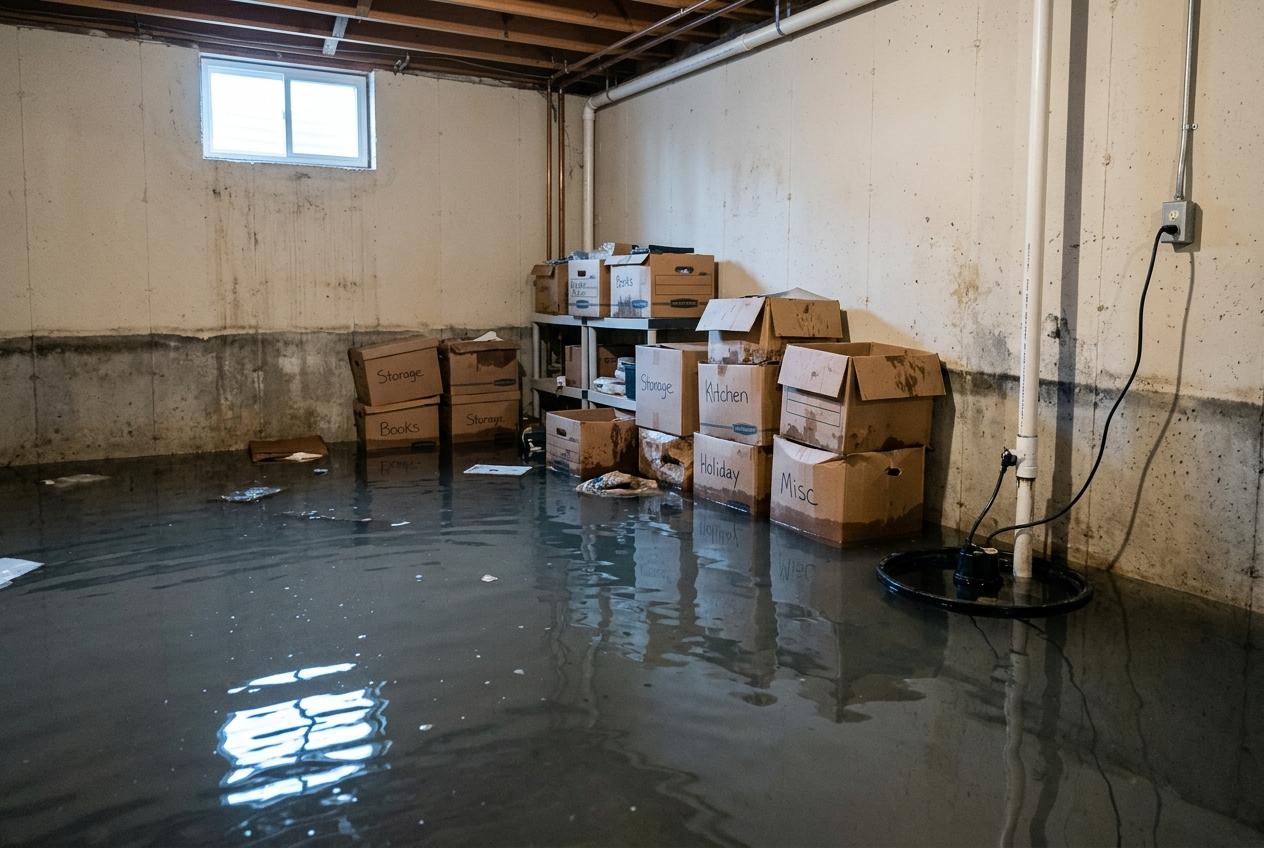
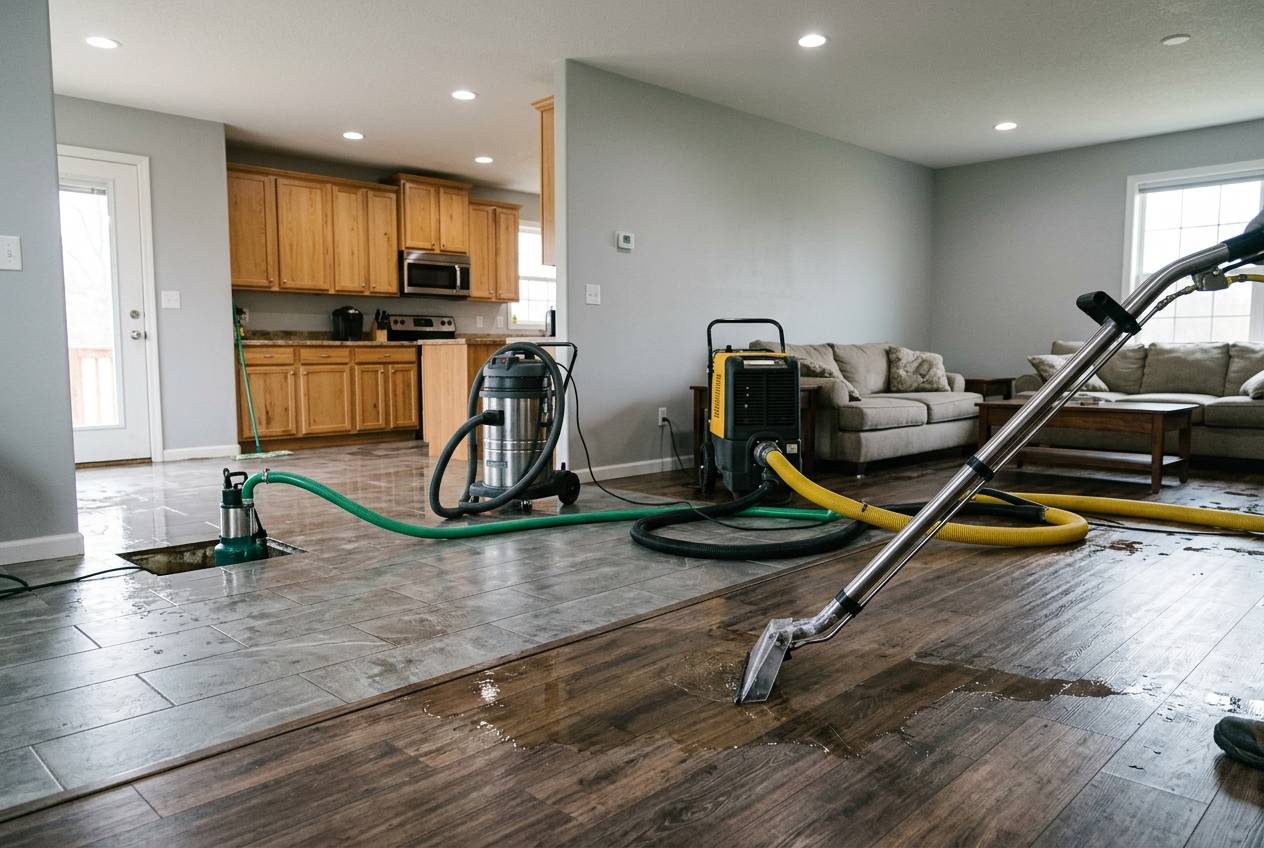
High-Capacity Subterranean Moisture Extraction
Common Sources of Basement Flooding
Understanding why basement water intrusion occurred is essential to preventing repeat disasters after cleanup is finished:
Sump Pump & Battery Backup Failures
Overwhelmed pumps or power grid blackouts during violent Mid-Atlantic summer thunderstorms leave water with nowhere to go.
Hydrostatic Groundwater Pressure
Saturated clay soil pushes water inward through mortar joints, hairline foundation cracks, and floor-to-wall cove seams.
Plumbing Line & Water Heater Ruptures
Aging copper pipes, water heater corrosion bursts, or frozen winter supply lines spilling unchecked into lower levels.
Exterior Window Well Inundation
Clogged or unshielded window wells filling like aquariums and bursting through basement window frames.
Municipal Sewer & Storm Backups
Overloaded municipal combined sewer systems pushing contaminated black water up through basement floor drains.
Historic Stone Foundation Porosity
Older 19th-century rubble and fieldstone foundations in Wilmington absorbing ground moisture and degrading interior framing.
Basement Water Recovery: Subterranean Intrusion to Restored Finish
Illustrating how high-capacity basement pumping, antimicrobial wash, and cavity drying reclaim lower living levels.
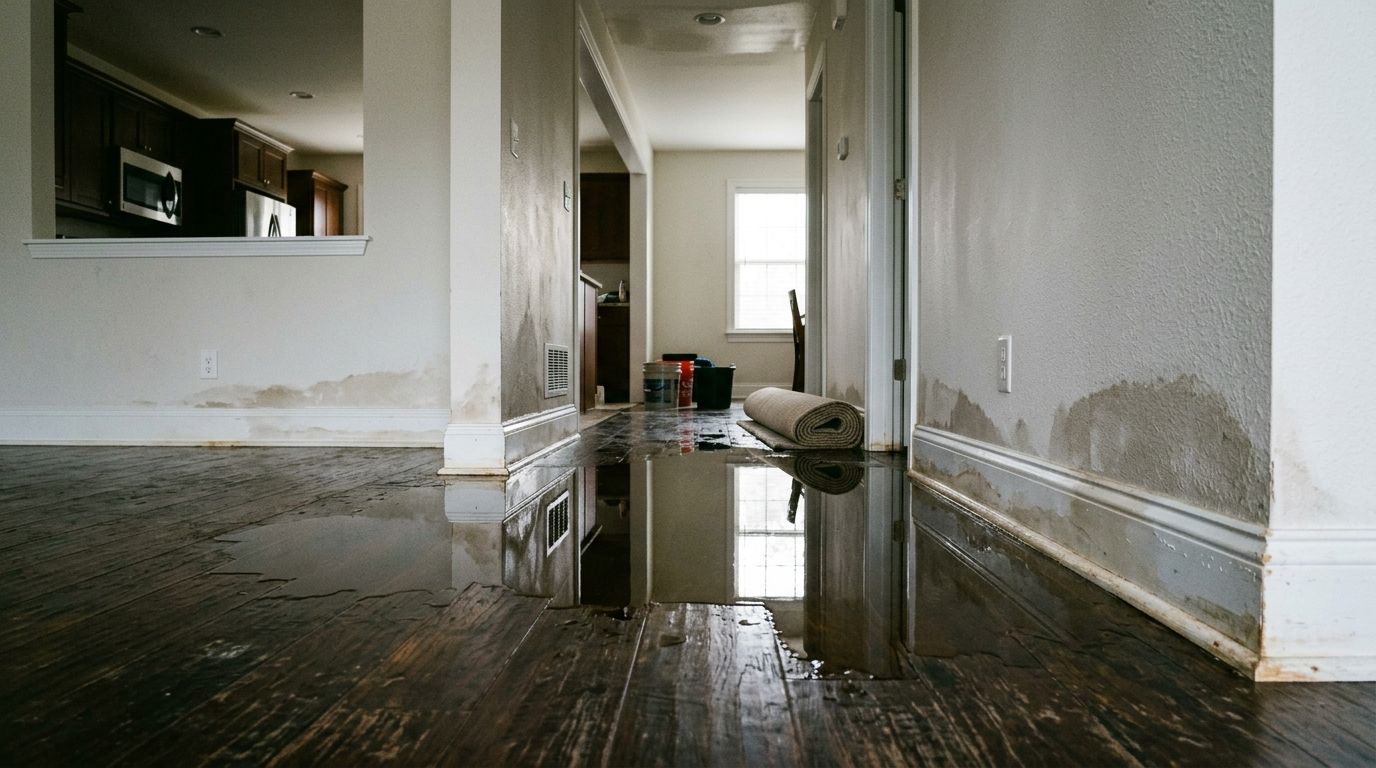
Unmitigated Water Damage
Standing water pooled across flooring, subfloor moisture wicking up baseboard drywall, risking progressive structural swelling and bacterial proliferation.
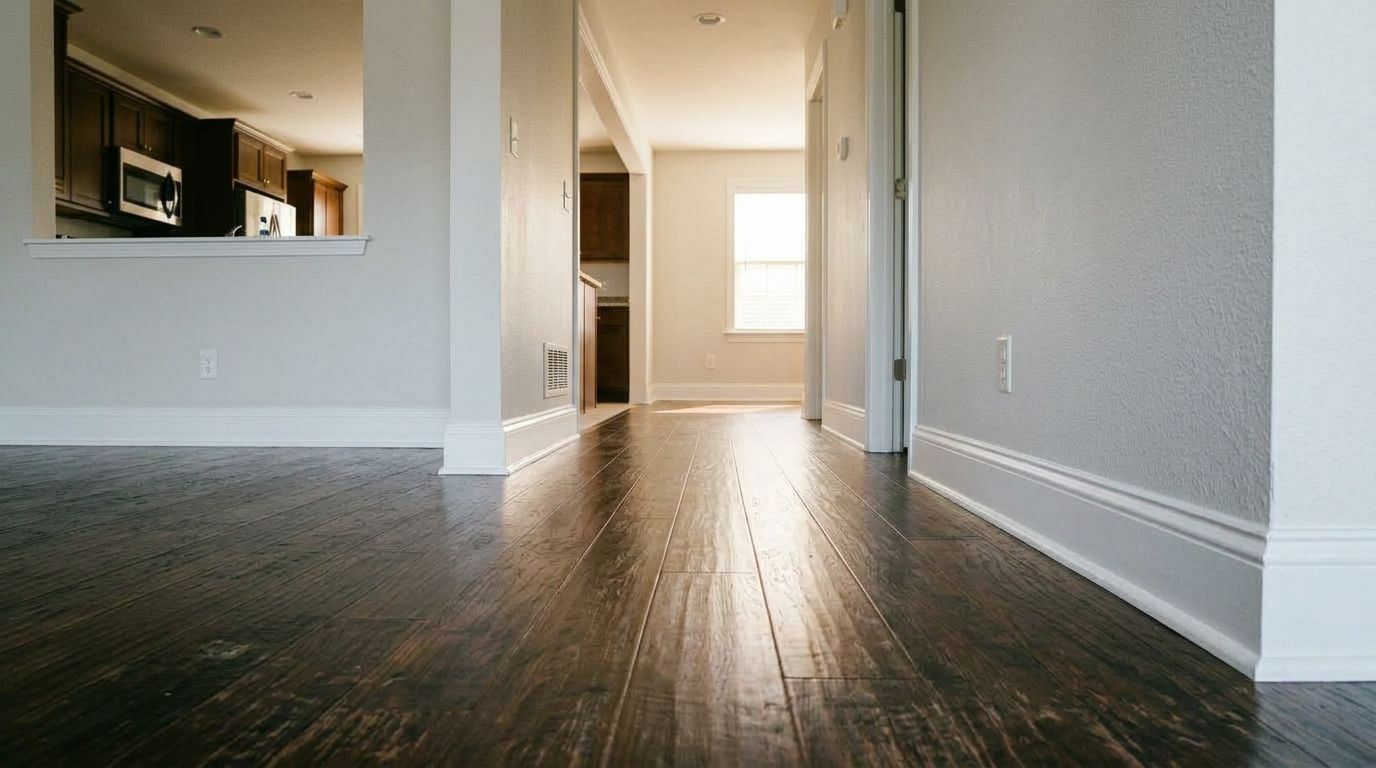
Restored Clean & Dry Condition
High-volume extraction removed liquid volume, followed by precision LGR dehumidification and antimicrobial sanitization to restore verified safe moisture levels.
Frequently Asked Questions
Flooded Basement in Wilmington or New Castle County?
Our high-volume submersible pumping and industrial drying crews are available 24/7 for emergency basement dispatch.
Rapid local response throughout Wilmington, Newark, Bear, and New Castle County.